Supercharge Your Workflow with Speech to Text
Are you constantly juggling meetings, emails, and a never-ending to-do list? As a small business owner, your time is your most valuable asset, yet it often feels like there aren't enough hours in the day. Tedious tasks like typing up meeting minutes, transcribing interviews, or even just replying to a mountain of emails can consume your schedule, pulling you away from the strategic work that truly drives growth. What if you could reclaim that lost time? This is where speech to text technology becomes a game-changer. Picture turning your voice into precise, editable text instantly. This guide will explore how leveraging powerful speech to text tools isn't just a futuristic concept—it's a practical, accessible solution that can revolutionize your daily operations, boost your team's efficiency, and give you the competitive edge you need to succeed.
Demystifying Speech to Text: A Beginner's Guide
Essentially, speech to text, or Automatic Speech Recognition (ASR), is a technology enabling a computer to understand and transcribe spoken copyright into text. You can imagine it as a virtual assistant that hears your voice and types everything for you. While it may seem magical, the technology is based on advanced computer science and AI, particularly a subfield known as Natural Language Processing (NLP).
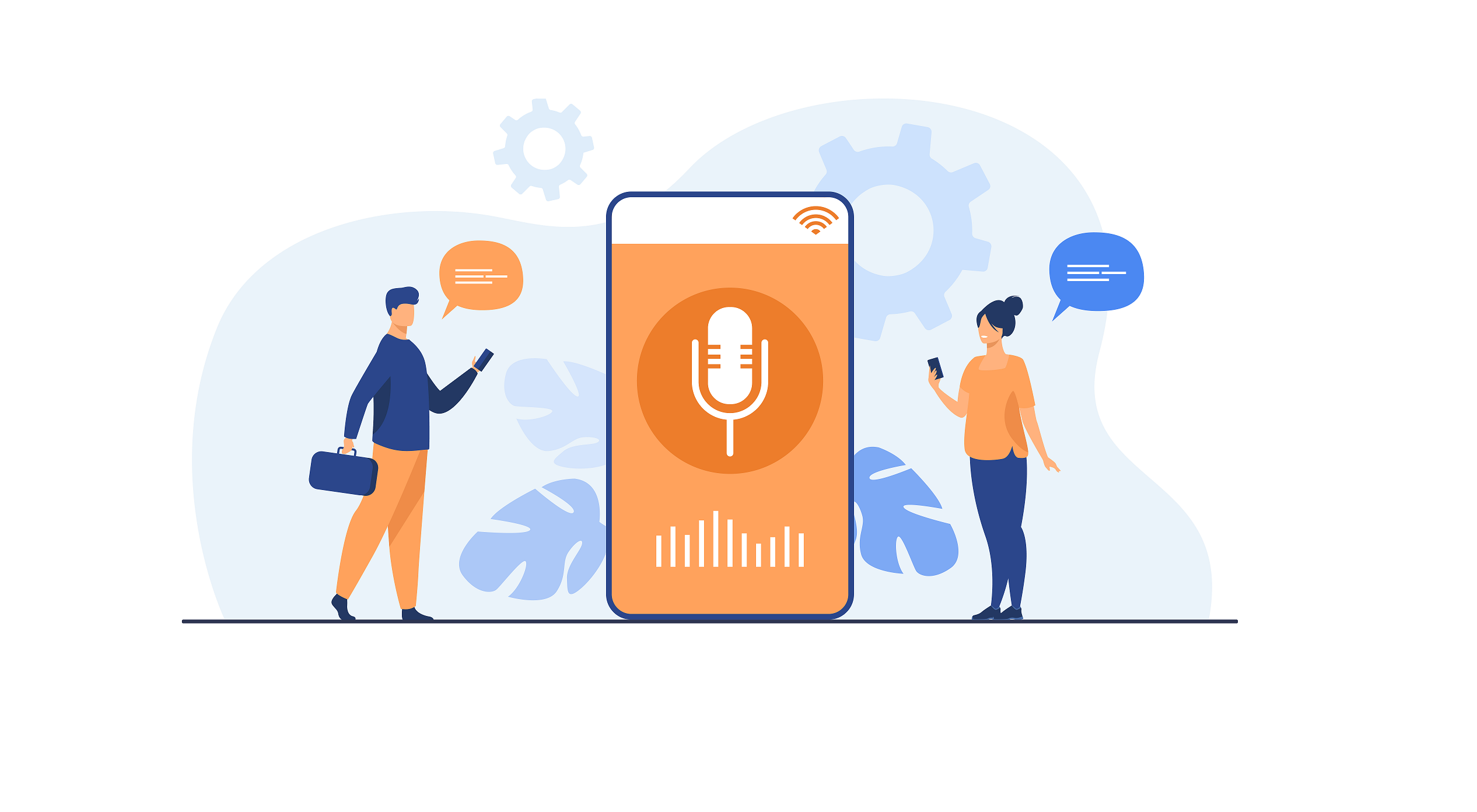
Alt-text: A diagram showing how speech to text technology converts audio waves into digital text.
The Technology in a Nutshell
You don't need a degree in computer science to grasp the basics. When you speak into a microphone, the technology goes through a few key steps:
- Audio Input: The microphone on your device records the sound waves created by your speech.
- Analog to Digital Conversion: The technology then transforms these analog waves into a digital signal that a computer can process.
- Sound Breakdown: Next, the software dissects the digital audio into the smallest sound units, known as phonemes. For example, the word "cat" is made up of three phonemes: /k/, /æ/, and /t/.
- Pattern Matching: The system uses advanced algorithms to analyze the phoneme sequence. It matches these sounds against an extensive internal library of copyright and language patterns.
- Text Generation: The software predicts the most likely copyright and sentences that match the phoneme sequence, considering context, grammar, and syntax. The result is the written text you see on your screen.
Modern speech to text systems leverage machine learning and deep neural networks, allowing them to learn from vast amounts of data. This is why they've become incredibly accurate over the years. They can learn your speech patterns, adapt to different accents, and even filter out background noise to improve transcription quality. This continuous learning process is what separates today's powerful voice to text tools from the clunky, error-prone software of the past.
From Simple Commands to Complex Transcription
The evolution of this technology has been remarkable. It started with basic command-and-control systems (like "Call Mom"). Now, it has progressed to sophisticated applications capable of handling complex tasks such as real-time transcription of meetings with multiple speakers. A Stanford University study found that dictation on a smartphone is almost three times quicker than typing. This demonstrates the huge productivity benefits of incorporating voice dictation into your work. For business owners, this isn't just about convenience; it's about fundamentally changing how you capture and manage information.
The Strategic Advantage of Speech to Text
As a tech-savvy entrepreneur, you're always on the lookout for tools that offer a significant return on investment. You're not interested in gimmicks; you want practical solutions that solve real problems. The biggest challenges for small business owners are time scarcity and the pressure to boost productivity on a budget. This is precisely where voice to text technology delivers unparalleled value.
1. Create Content Faster
Content is king, but creating it is incredibly time-consuming. Whether you're drafting blog posts, creating social media updates, writing email newsletters, or scripting videos, the process of getting ideas out of your head and onto the page can be a bottleneck. How often have you had a brilliant idea while driving or walking, only to forget it by the time you get to a keyboard?
- Drafting at the Speed of Thought: Using voice dictation, you can capture ideas the moment they occur. Dictating a 1,500-word piece can take just 10-15 minutes, compared to hours of typing. This allows you to get the initial draft done fast, so you can concentrate on editing instead of typing.
- Capture Every Idea: Transcribe your recorded brainstorms to create a searchable text document. This method prevents good ideas from being forgotten and makes organization simple.
- Repurposing Content: Turn your audio and video content into written articles and social media posts through transcription. It's a smart strategy for leveraging your existing content more effectively.
2. Transform Your Meetings
Meetings are essential for collaboration, but they can also be a massive productivity drain. The administrative work around meetings, like note-taking and follow-ups, is time-consuming.
Leveraging Live Transcription
Imagine holding a meeting where every word is captured and transcribed as it's spoken. Real-time transcription tools can do just that. This has several incredible benefits:
- Enhanced Focus: Without the distraction of note-taking, you can fully participate in the discussion. This fosters more productive conversations and innovative solutions.
- Flawless Records: Human note-taking is prone to errors and omissions. An automated transcript provides a complete and accurate record of the discussion, eliminating any "he said, she said" disputes later on.
- Instant Summaries and Action Items: Advanced tools now use AI to pull out key takeaways and action items automatically. This means you leave the meeting with a summary ready to go.
3. Streamline Communication and Correspondence
Managing the constant flow of emails is a major challenge. Crafting detailed replies by typing is time-intensive. With voice dictation, you can handle it much faster.
You can dictate a long email instead of typing it. Most modern operating systems and email clients have built-in dictation features. This allows you to clear your inbox faster, provide more detailed responses, and reduce the fatigue associated with constant typing. It's particularly useful for responding on the go from your mobile device, allowing you to maintain productivity even when you're away from your desk.
4. Foster an Inclusive Workplace
Creating an inclusive workplace is not just good ethics; it's good business. Speech to text is a fantastic accessibility aid. Team members with physical disabilities that make typing difficult can use their voice to write documents, send emails, and participate fully in digital communication. Furthermore, providing transcripts for all your audio and video content makes it accessible to employees who are deaf or hard of hearing, as confirmed by accessibility guidelines from organizations like the W3C (W3C Web Accessibility Initiative).
Choosing the Right Speech to Text Tool for Your Business
The market is flooded with speech to text applications, and picking the right one can feel daunting. The best choice for your business depends on your specific needs, budget, and workflow. Let's break down the main categories and highlight some top contenders.
Free vs. Paid Tools
1. Starting with Built-in Options
First, check out the free tools that come with your devices. Modern operating systems like Windows, macOS, iOS, and Android all feature powerful, built-in voice dictation.
- Windows Voice Recognition: Accessible through the Control Panel, it allows you to dictate text into any application and control your computer with voice commands.
- Mac/iOS Dictation: Activated with a simple keyboard shortcut (often pressing the 'Fn' key twice), it's highly accurate and integrates seamlessly across Apple's ecosystem.
- Google Voice Typing: Available in Google Docs and on Android devices, this tool is renowned for its speed and accuracy, leveraging Google's powerful AI.
Best for: Quick tasks, drafting emails, writing short documents, and getting started with voice to text without any financial commitment.
2. Specialized Transcription Tools
For complex jobs like transcribing long meetings or specialized content, you'll need a dedicated service.
These tools can be divided into two types:
- Automated Services: These services offer quick, cost-effective transcriptions using AI. Just upload a file, and you get a transcript in minutes. Popular options are Otter.ai, Trint, and Descript. They often include features like speaker identification, timestamping, and collaborative editing tools.
- Professional Human Transcription: When you need maximum accuracy, services like Rev use human experts. They are more expensive and take longer, but they offer accuracy rates of 99% or higher.
Best for: Market researchers, journalists, legal professionals, podcasters, and anyone who needs to convert existing audio/video recordings into text with high accuracy.
Essential Features in a Transcription Tool
As you compare speech to text options, keep these factors in mind:
- Accuracy: This is the most critical factor. Choose a tool that understands your accent and works well in your usual setting. Many services offer a free trial, so test them with your own audio samples.
- Speed: How fast do you need the text? Automated services can deliver real-time transcription or process files in minutes, while human services can take hours or days.
- Speaker Identification: For group conversations, you need a tool that can identify who is speaking.
- Custom Vocabulary: If your business uses special terms, find a tool that lets you add them to its dictionary for better accuracy.
- Integration: How well does the tool fit into your existing workflow? Check for integrations with programs like Zoom, Google Drive, or your CRM.
- Data Protection: For sensitive data, verify the provider's security measures and privacy policy. This is particularly important for industries like healthcare and finance. A paper from George Mason University highlights the criticality of data privacy in today's tech landscape.
How to Start Using Speech to Text Today
Adopting new technology can be disruptive if not managed properly. The key to successfully integrating speech to text into your business is to start small, identify high-impact use cases, and gradually expand its use as you and your team become more comfortable. Here’s a step-by-step guide to get you started.
Step 1: Identify the Low-Hanging Fruit
Start with the tasks that cause the most friction and take up the most time. Don't try to change everything at once. Pick one or two areas where voice dictation can provide an immediate win.
- Email Management: Challenge yourself to reply to ten emails using only your voice. Use the dictation function on your phone or computer. You might be amazed at how fast you finish.
- Personal Note-Taking: During calls, use a voice recorder app instead of typing notes. Later, you can use a service to transcribe the important parts.
- First Drafts: The next time you need to write a blog post or a project proposal, try dictating the first draft. Don't worry about perfection; just get the ideas down. This helps overcome the "blank page" syndrome.
Step 2: Ensure High-Quality Audio
Audio quality is the most important factor for speech to text accuracy. GIGO—Garbage In, Garbage Out—applies here. For optimal outcomes:
- Use a Good Microphone: A dedicated microphone is much better than your device's built-in one. It captures your voice more clearly and minimizes ambient noise.
- Find a Quiet Space: Try to dictate or record in a quiet environment. Close the door, turn off fans or music, and avoid spaces with a lot of echo.
- Talk Naturally: Maintain a steady volume and speed when you speak. You don't need to speak slowly or artificially enunciate, but avoid mumbling. The AI performs best when you speak naturally.
Step 3: Become a Dictation Pro
Using voice dictation effectively is a skill that improves with practice. It's not just about talking; you have to say punctuation commands too.
Common Voice Commands
- Say "period" to end a sentence.
- Say "comma" for a comma.
- To start a new paragraph, say "new paragraph".
- For a question mark, say "question mark".
Check the tool's documentation for a full list of commands. Learning the basic commands will only take a few minutes. It will feel awkward at first, but it will quickly become second nature and make your dictation much more efficient.
Step 4: Scale Across Your Team
Once you've seen the benefits firsthand, it's time to introduce the technology to your team. Frame it as a tool to help them save time and reduce tedious work, not as a way to micromanage them.
- Hold a Lunch and Learn: Show them how it works live. Demonstrate a real-time transcription tool or email dictation.
- Create a Shared Resource Guide: Put together a simple document with links to the recommended tools, tips for getting good audio quality, and a list of common voice commands.
- Encourage Sharing of Best Practices: Set up a dedicated chat channel for sharing tips and success stories about using voice to text.
Common Hurdles and How to Clear Them
While speech to text technology is powerful, it's not perfect. It's important to have realistic expectations and understand how to navigate potential hurdles. Addressing these head-on will ensure a smoother adoption process for you and your team.
Myth 1: "It Makes Too Many Mistakes."
That was true in the past, but not anymore. Today's AI transcription can be over 95% accurate with clear audio. The key phrase here is "good audio conditions." Poor accuracy is often caused by poor audio.
The Solution: Prioritize high-quality audio recording. If accuracy is low, upgrade your microphone and find a quieter place to record. For mission-critical tasks where 100% accuracy is required, combining automated transcription with a quick human proofread is an incredibly efficient workflow. The AI handles most of the work, so a person only needs a few minutes to proofread.
Myth 2: "The Editing Takes Forever."
There can be a learning curve. Initially, you might feel slower as you get used to speaking your punctuation and correcting the occasional error. However, this initial awkwardness quickly fades. Recall the Stanford research: talking is much faster than typing.
The Solution: Stick with it for at least a week. Practice with low-stakes tasks like writing personal notes or first drafts. Think of it like learning to type—it was slow and frustrating at first, but now it's an essential skill. The time you invest in learning to dictate effectively will pay dividends in long-term productivity.
Myth 3: "My Accent Is Too Strong for It to Understand Me."
Modern speech to text systems are trained on diverse accents. They used to struggle, but now they are very good at understanding different accents. Many apps can also learn your specific voice, improving their accuracy over time.
How to Fix It: Try out several different applications. Some models may perform better with your specific accent than others. Use free trials to find the best fit before you buy.
Challenge: Privacy and Security
This is a valid worry, particularly with confidential information. Using a cloud service means your data goes to an external server.
How to Fix It: Do your due diligence.
- Check the Fine Print: Know what the company does with your data. Find out if they use it for training or if employees can view it.
- Verify Security Credentials: Good providers will have certifications like SOC 2 or be GDPR compliant.
- Consider On-Premise Solutions: For the best security, you can choose on-premise options that keep all data on your own servers. These are typically more expensive but may be necessary for highly regulated industries.
What the Future Holds for Voice to Text
Speech recognition is a rapidly advancing field in AI. The technology that we find impressive today will seem quaint in just a few years. For small business owners, staying aware of these trends can help you anticipate future opportunities and stay ahead of the curve.
Smarter Than Ever
The next frontier for speech to text is not just transcribing copyright, but understanding meaning. AI models are getting better at comprehending context, nuance, and intent.
- Smarter Summarization: Picture a tool that provides a summary of your meeting, including decisions and sentiment.
- Instant Insights: Soon, tools will analyze calls live, giving agents feedback on customer mood.
Seamless Multilingual Capabilities
Many tools support different languages, but it's not always smooth. The future is real-time translation and transcription. Picture this: you're on a video call with a client who speaks Japanese. You speak English, and they hear you in Japanese. They respond in Japanese, you hear English. And a full transcript is created in both languages simultaneously.
Speaking to Your Software
We're already seeing this with smart speakers and voice assistants. It will become common in business applications too. Instead of clicking through complex menus, you'll simply be able to tell your software what you want to do. For example: "Hey CRM, show me all my leads in the manufacturing sector that I haven't contacted in the last 30 days and draft a follow-up email." This "voice-first" approach will make software easier and faster for everyone to use.
By adopting speech to text now, you're preparing for the future. You're positioning your business to be more agile, efficient, and innovative in a world where the lines between human and machine collaboration are becoming increasingly blurred.
Final Thoughts: Your Voice is Your Asset
In the competitive landscape of small business, efficiency isn't just a buzzword; it's a critical component of survival and growth. You're always trying to optimize, fighting against a tide of admin work. Speech to text isn't a cure-all, but it's a powerful tool for saving time and focusing on important work. The uses are widespread and the advantages are clear, from fast content creation to accurate meeting records.
Turning speech into text improves workflows, communication, and creates a better work environment. The journey begins with a single step. Start by using the built-in voice dictation tools you already own. Give transcription a go with a brief meeting. As you witness the immediate impact on your productivity, you can explore more advanced solutions tailored to your unique business needs. Don't let the keyboard be a bottleneck to your success any longer. It's time to leverage your voice.
Ready to transform your productivity? Explore a top-rated speech to text tool with a free trial today and experience the difference for yourself!
Common Questions Answered
Which speech to text tool is best for a small company?
The ideal speech to text tool varies. Free built-in options like Google's are great for simple tasks. Otter.ai is excellent for meetings, while Rev is perfect for high-accuracy needs. We recommend check here trying a few options to find the best fit for your specific requirements.
What's the best way to get accurate voice to text results?
For better voice to text accuracy, use a good mic in a quiet space and speak clearly. A natural pace is best. Adding custom copyright for your industry's jargon to the software’s dictionary can also make a huge difference in the final transcription quality.
How secure is real-time transcription for private discussions?
Security is a valid concern. When choosing a real-time transcription service, carefully review its privacy policy and security features. Reputable providers use strong encryption and offer compliance with standards like SOC 2 or GDPR. For maximum security, some platforms offer private cloud or on-premise solutions where your data remains within your control.
Does speech to text work with more than one person talking?
Absolutely. Many current speech to text tools can manage conversations with multiple people. They use a feature called "speaker diarization" to identify and label who is speaking, which is perfect for transcribing meetings or interviews accurately.
In what way does voice dictation speed up content writing?
Using voice dictation speeds up writing because speaking is much faster than typing. It lets you quickly create first drafts of content like blogs or emails, which helps you move past writer's block and gives you more time to focus on editing and polishing your work.
Is it difficult to learn how to use speech to text tools?
No, most speech to text tools are very user-friendly. Basic dictation often involves just pressing a button and speaking. There might be a short learning curve for mastering voice commands for punctuation and formatting, but most people become comfortable and efficient with these tools within just a few days of regular use.